
Hey, I’m Thomas
Speak Dutch from day 1
You don’t need perfect Dutch to start a conversation. We take it step by step, with lots of speaking practice.
Explore Dutch lessons
Online pronunciation course
Sound More Dutch
Hear the difference between ‘man’ and ‘maan’, and learn to say both clearly. Short lessons, one sound at a time.
- HEAR
- NOTICE
- SAY
Still in development
HEAR
One more letter, a different word.
Orange: the vowel. Simplified sound shape, not a recording.
A first look at Sound More Dutch
What you will learn
Hear the difference between ‘man’ and ‘maan’, and learn to say both clearly. Short lessons, one sound at a time.
- HEAR
- NOTICE
- SAY
Try it
Which word has the long vowel?
In ‘maan’ the ‘aa’ is long. In ‘man’ the ‘a’ is short.
Interested?
Sound More Dutch is coming soon! Curious about the course? Join the waiting list and I’ll email you when it opens.
Join the waiting listHave a question first? Send me a message.
Waiting list
Be the first to hear when Sound More Dutch opens.
The course is still in development. Leave your email address and I’ll let you know when it’s ready. No spam, and you can unsubscribe any time.
How I learn languages
I teach Dutch. But I’m learning Greek.
I love learning languages. Right now I’m learning Greek, so I know what it’s like to be a student. I often understand more than I can say. That’s normal, and you can work on it.
My Greek lesson in Thessaloniki

Input
Understanding comes first.
Grammar rules and word lists can help, but knowing about a language isn’t the same as understanding it in real life. That’s why listening and reading matter. Linguist Stephen Krashen calls this comprehensible input: language you can understand, even when some parts are new. His idea of i + 1 is simple: build on what you already understand, with a little extra challenge.
See an example of i + 1
Take this example:
‘Mijn telefoon is bijna leeg. Waar is mijn oplader (new word)?’
You already know the other words, and you know your phone is almost dead. So you can guess that ‘oplader’ means ‘charger’. That’s i + 1: what you already understand, plus one new thing.
I notice the same with Greek. The more I listen and read, the more words, expressions and patterns start to feel familiar.
Output
You learn to speak by speaking.
I passed my Spanish B2 exam (opens my DELE B2 diploma) in 2016. I could hold a decent conversation, but one thing kept frustrating me: the subjunctive, a verb form used for things like wishes and doubts.

I knew the rules, but using them in a real conversation was a different story. What finally helped wasn’t studying more grammar. It was spending hours in conversation, hearing native speakers use the subjunctive again and again. And it was trying it myself, making mistakes and getting corrected over and over. It’s a tiring process, I’ll admit. But in the end, I got it right. Now I use it without even thinking about it.
It’s like learning to drive. You won’t learn it from a book. You have to get behind the wheel. Learning a language works the same way.
That’s why my Dutch students speak from their very first lesson.
About me
I teach Dutch, and I’m a language learner too.
Hi, I’m Thomas, the person behind dutchwithtomasito. I’m also a sworn translator from Spanish into Dutch. I started learning Thai at 21, studied Spanish, Russian and German along the way, and I’m now learning Greek. I know the effort it takes, and the satisfaction of finally having a conversation.
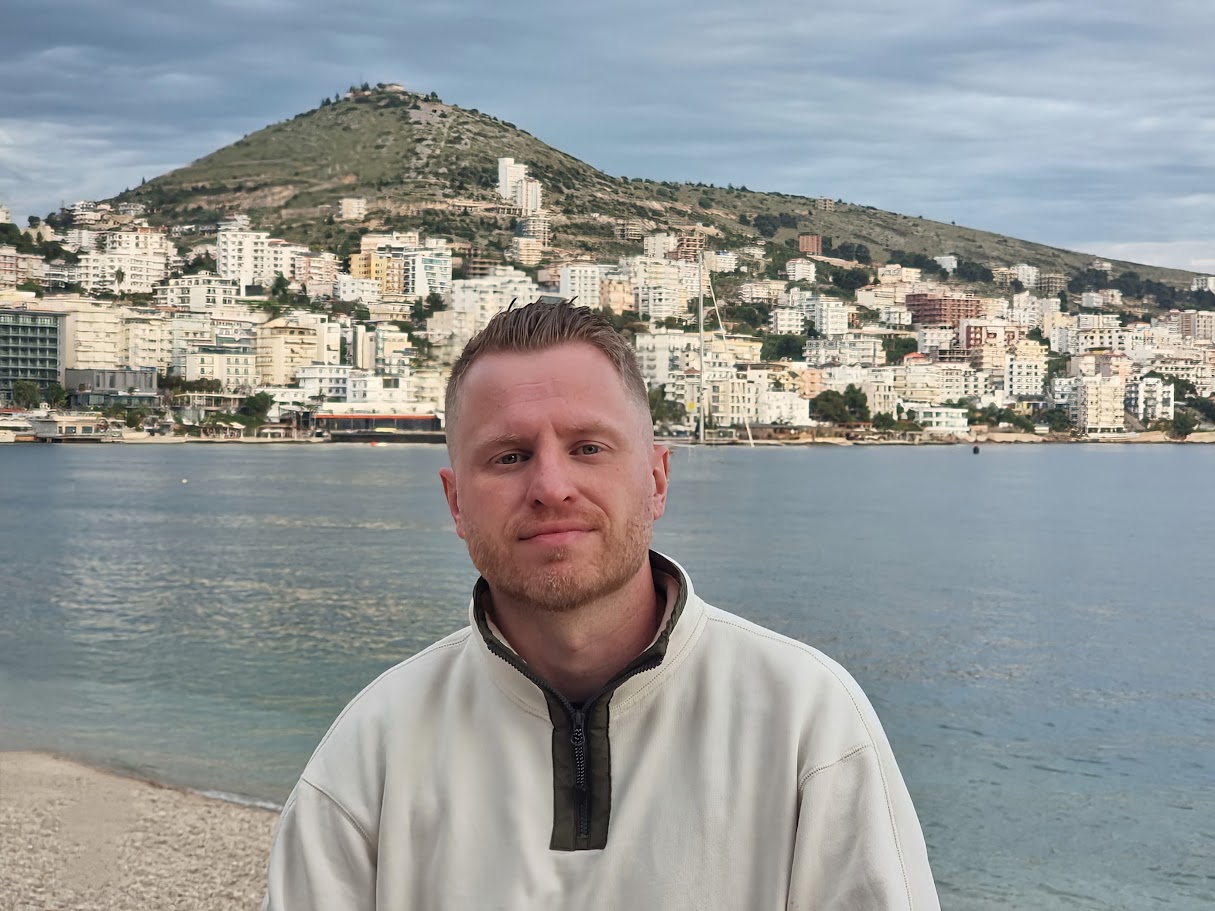
My language learning journey
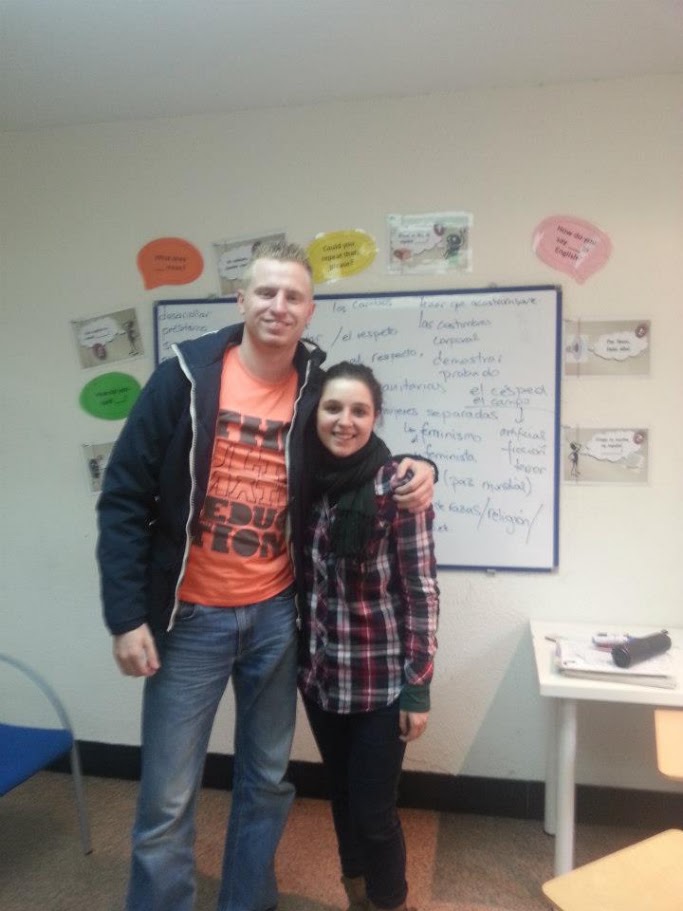
Madrid, 2012Learning Spanish 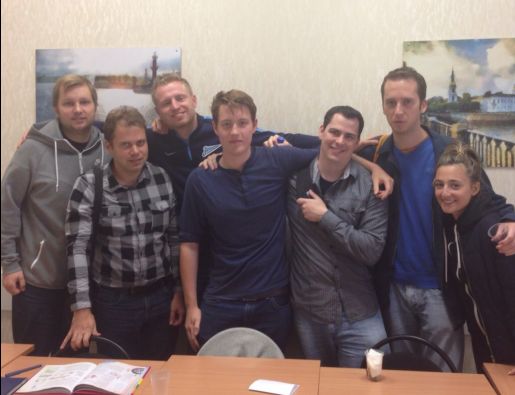
St Petersburg, 2015Learning Russian 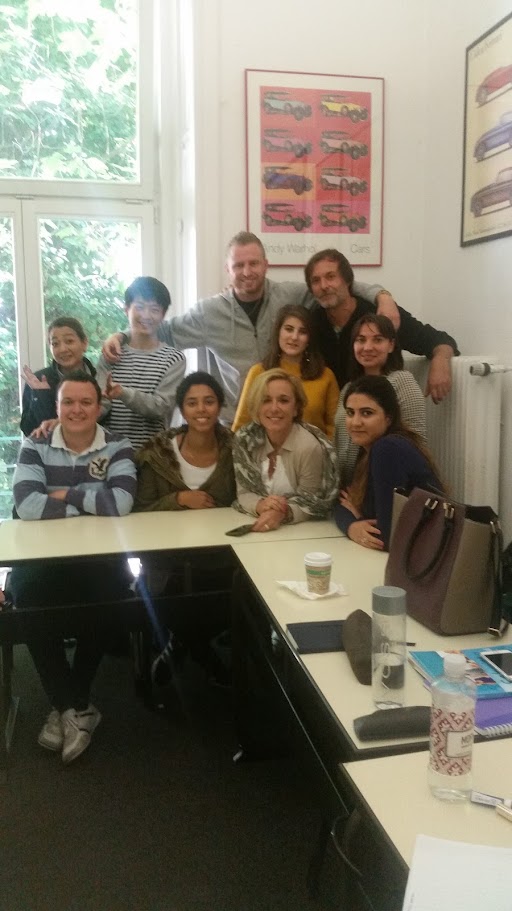
Hamburg, 2017Learning German 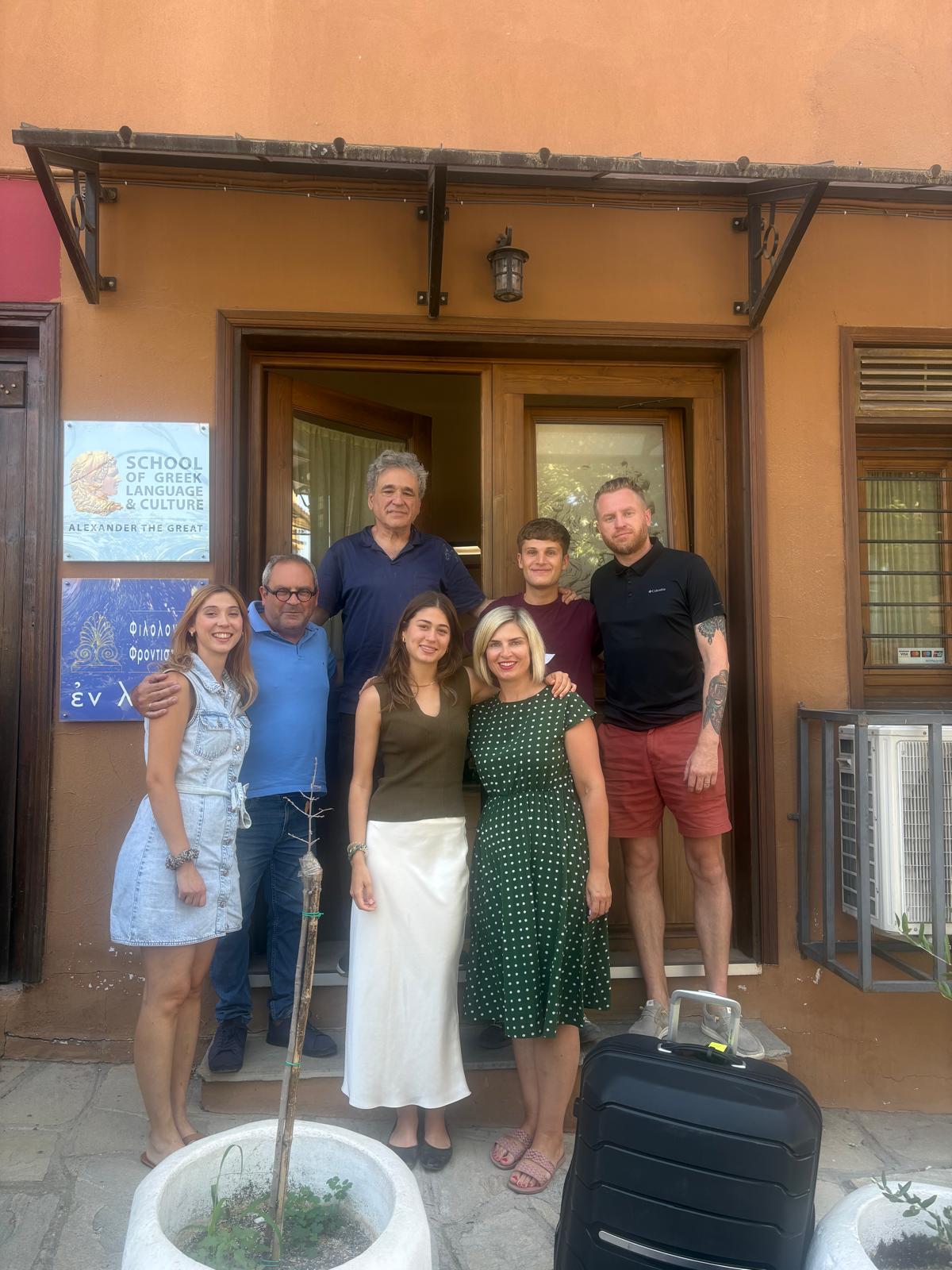
Thessaloniki, 2026Learning Greek
Private lessons
Private Dutch lessons built around you.
An hour just for you and your Dutch. We’ll work on the conversations that matter to you, with time to ask questions, try things out and get personal feedback.
Limited spots
Tell me your goal and your level of Dutch. I’ll get back to you with my availability and a rate tailored to your request.
Request a lessonCONTACT
Let’s talk
about your Dutch.
Have a question, or want to request a lesson? Tell me a little about yourself, your goal and your level of Dutch.
Prefer email? info@dutchwithtomasito.nl
Asking about lessons? To help me prepare, please tell me in your message:
- What is your goal with Dutch?
- What is your level of Dutch now? It’s fine if you’re not sure yet.
I only use your details to reply to your message or to contact you about the lessons you asked about. Read my privacy policy.